When furnace replacement makes sense
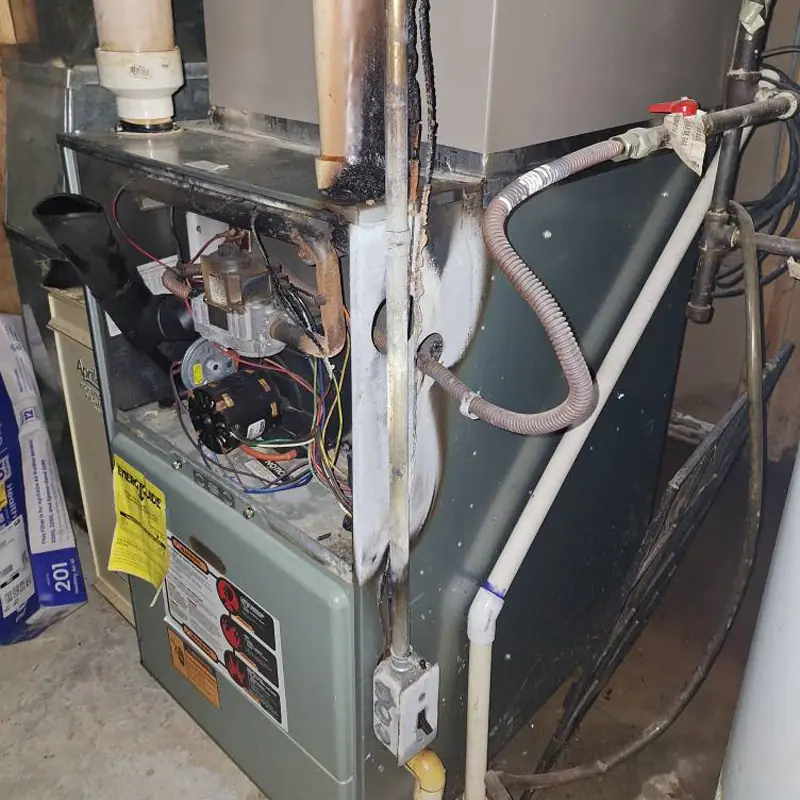
Replacement starts to make sense when repairs come back to back, when a single repair costs a large part of what a new furnace would, or when the heat exchanger is cracked. The heat exchanger is the metal chamber that keeps the burner exhaust apart from the air you breathe. A cracked one is a safety problem, and the furnace has to stay off until a technician deals with it.
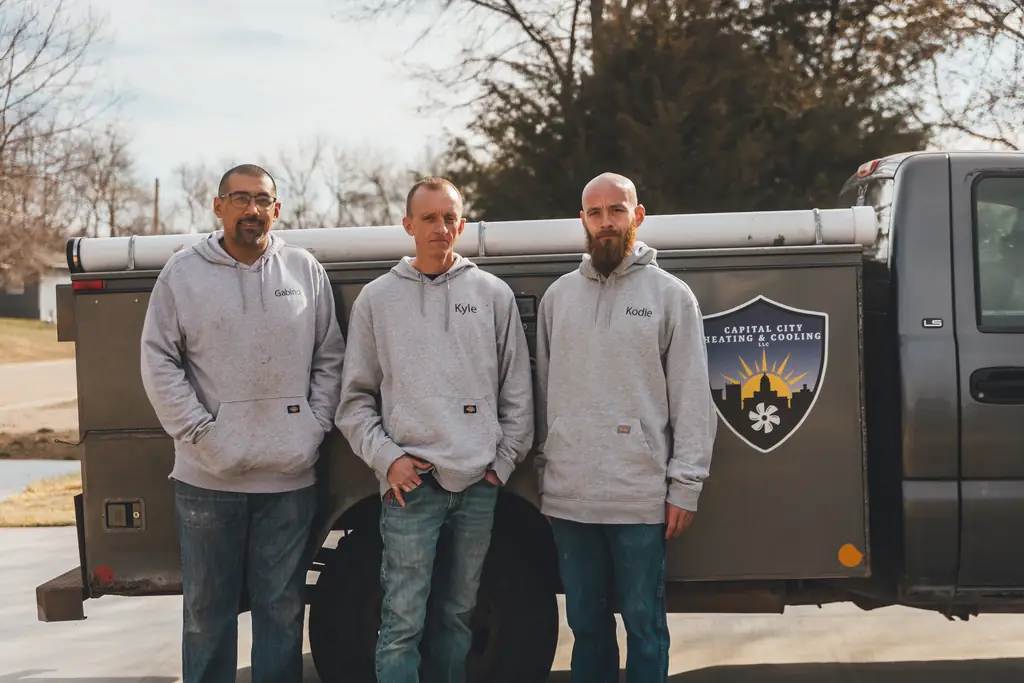
Compare the cost of repairing the furnace with the cost of replacing it, and ask what the repair history on the furnace looks like. Kyle Smith, who owns Capital City, puts the company's approach this way: "if we feel that there is a better option for you than our service we will be upfront about it rather than try to treat you like a sale."
How long a furnace lasts
Furnaces typically last about 15 to 20 years. Some go longer with regular service, and some wear out sooner if they run hard and never get looked at. Age alone does not tell you a furnace is about to fail, and it does not settle the repair or replace question by itself.
A furnace past 20 years is beyond its typical life, so it is worth having it assessed. Older equipment can be harder to repair, and newer furnaces are built with updated controls and safety features. Weigh that against the condition of the furnace in front of you and the cost of the repair it needs today.
How a furnace heats your home
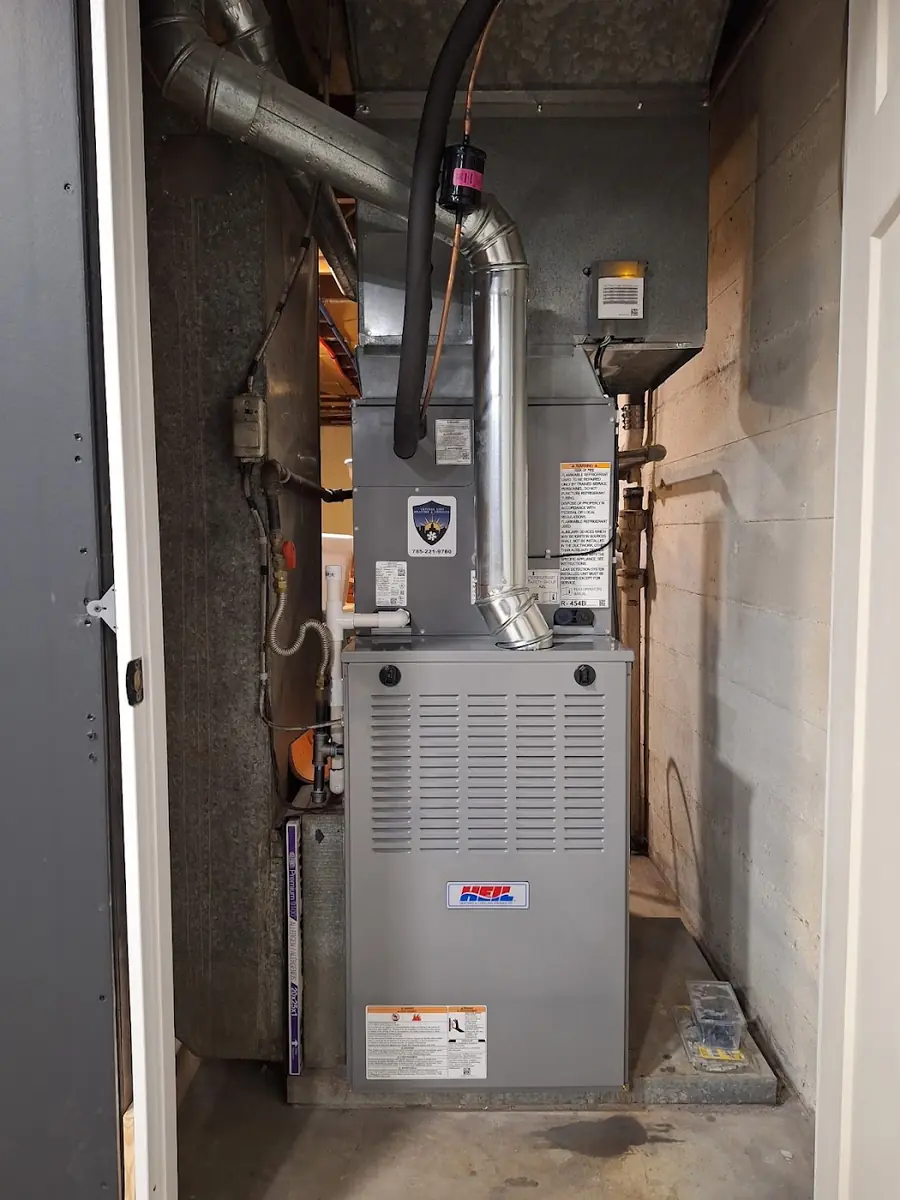
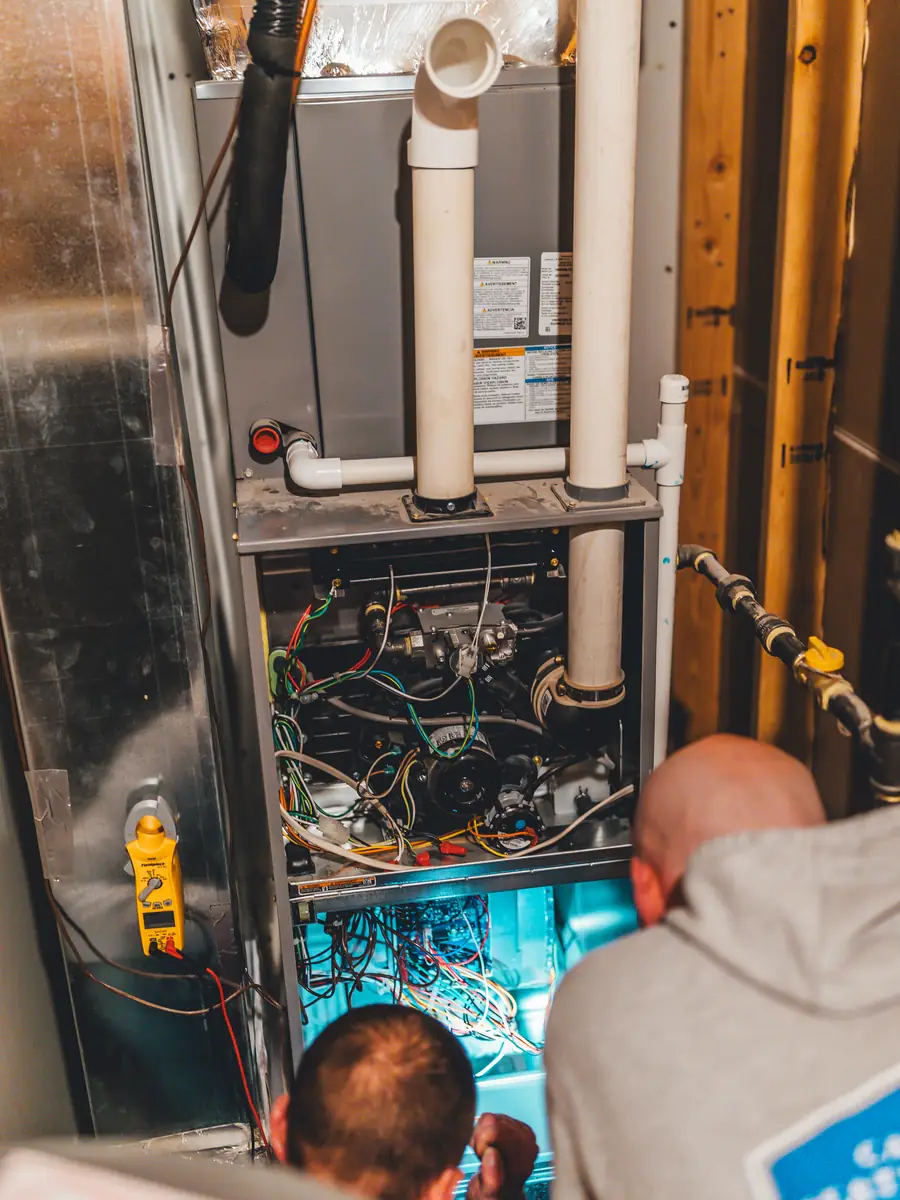
A gas furnace lights burners inside a set of sealed metal passages. The heat exchanger carries that heat while the exhaust goes out through the vent pipe. The blower, a large fan, pushes your home's air across the outside of the heat exchanger and out through the ducts to each room. The heat exchanger is built to keep the burner exhaust separate from the air you breathe, and a crack in it is a safety problem.
The furnace is controlled by a circuit board that runs the start up order and watches safety switches. If something goes wrong, such as a blocked vent or overheating, those switches shut the furnace down. That is why a furnace that will not run is sometimes protecting you, and why a technician should find the reason before anyone forces it back on.
Choosing the right furnace size
The right furnace size depends on more than square footage. The heat the home needs on a cold day depends on insulation, the number and quality of windows, how leaky the house is, the layout, whether the basement or crawl space is finished, and the condition of the ductwork. Topeka has cold winters, and the furnace has to be sized for the cold end of the year.
A furnace that is too small runs for long stretches and may never catch up on the coldest days. One that is too large turns on and off in short bursts, which wears parts and can leave uneven temperatures from room to room. Equipment should be sized to the heat the home needs, not to the size of the old furnace.
Ask for that sizing reasoning when you get an estimate. A contractor who can explain why a furnace fits your house is giving you something better than a guess.
Furnace efficiency and comfort features
Furnaces carry an efficiency rating that describes how much of the fuel becomes heat for the home rather than leaving through the vent. A higher rating means less fuel wasted, and it usually comes with a higher purchase price. Ask how the rating on a model compares with the furnace you have now.
Furnaces also differ in how they run. A single stage furnace is either on or off. Two stage and variable speed designs can run at lower output for long stretches, which can mean steadier temperatures and quieter operation. Models also run at different sound levels, so say so if noise matters to you.
Heil furnaces and our warranty
We install Heil furnaces. Heil is a brand made by International Comfort Products. Every system we install carries a 10-year parts and 2-year labor warranty.
We service all makes and models of furnace. We buy parts through local wholesalers, which helps keep repairs cost effective after installation.
What furnace installation involves
Replacing a furnace is more than swapping one box for another. A new furnace has to connect to several systems in the house, and each connection has to be right.
- The gas line that feeds the burners
- The exhaust vent that carries combustion gases out of the home
- The electrical supply and the thermostat wiring
- The ductwork that carries heated air to the rooms
- The air conditioner and indoor coil (the part of the cooling system that removes heat from the air), if the home has central air
Ask about removal of the old furnace
Old furnaces are heavy and awkward to move out of a basement or closet. Ask when you get your estimate how the old furnace will be removed and who handles disposal, so nothing is left unclear before the work starts.
Replacing the furnace and air conditioner together
If your air conditioner is about as old as the furnace, replacing both at once means one project instead of two, and the equipment is chosen to work together. Whether that makes sense depends on the condition and age of the air conditioner. Central air conditioners typically last about 10 to 15 years. Ask for pricing both ways so you can compare replacing the furnace alone with replacing both.
How much a new furnace costs in Topeka
The price depends on the model, whether you replace only the furnace or the air conditioner too, the condition of the ductwork, and any changes needed to the gas line or exhaust vent. We price each job after we see your home and give you a written estimate before any install work starts. Call (785) 221-9760 to set that up.
Furnace replacement during a remodel
A remodel can be a convenient time to replace an aging furnace, especially when walls, floors or ceilings are already open and the ductwork or venting is easy to reach. Tell us about your plans when you call so the heating equipment can be considered along with the rest of the project.
Photos from our jobs