Signs of duct problems
Check for these signs. Rooms that stay too hot or too cold while the furnace and air conditioner run normally can point to a duct problem. Weak airflow at some vents can come from a leak, a crushed section, a blocked duct or a closed damper, which is an adjustable plate inside a duct that controls airflow. A dirty filter also restricts airflow, so check that first.
If you can see ductwork in a basement or crawl space, look for crushed sections, joints that have pulled apart and insulation that has fallen off. Rattling or whistling when the system runs can have several causes, including loose duct sections, so have a technician take a look. A utility bill that climbs without a change in weather or habits can also be a clue, although other things can cause that.
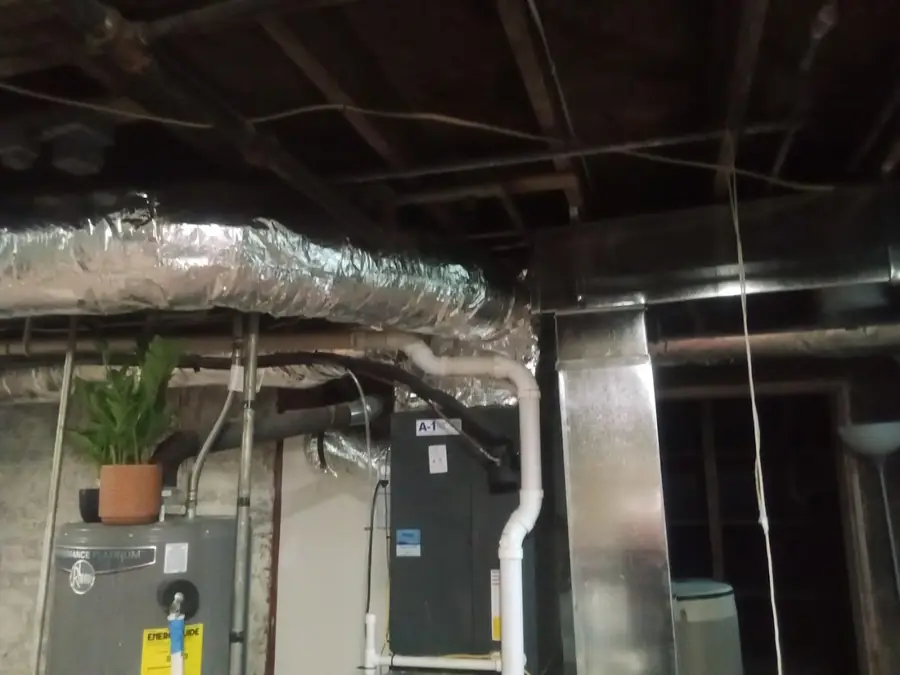
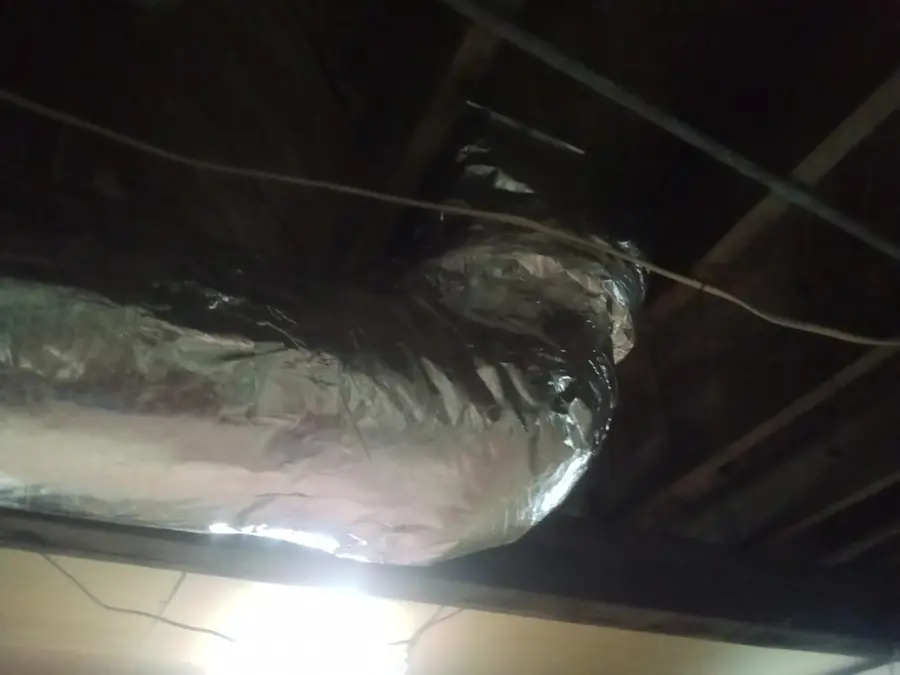
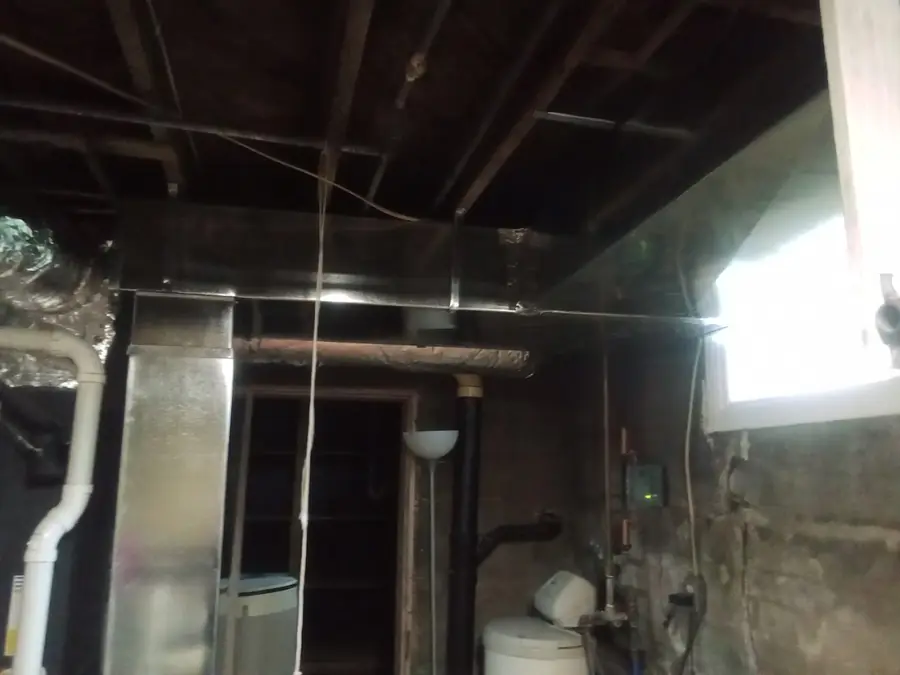
Ductwork in crawl spaces and basements
Many Topeka homes have ducts running through a crawl space or an unfinished basement. Those spaces are outside the heated and cooled part of the house. In winter, air in the ducts loses heat to cold surroundings before it reaches a room. In summer, ducts pick up heat from warm surroundings.
Insulation around the duct reduces that heat transfer, so more of the heating or cooling you paid for stays in the air until it reaches the room. Insulation also has to stay in place and stay dry, so we check its condition when we inspect.
Ducts in crawl spaces can also have sections that are crushed, sagging or disconnected. We repair or replace damaged sections, and we insulate ducts in crawl spaces and basements.
Supply and return air
A duct system has two sides. Supply ducts carry conditioned air from the equipment into the rooms. Return ducts bring air back to the equipment to be heated or cooled again. The blower pulls in as much air as it pushes out, so air needs a path back.
Rooms need a return pathway, but not always a dedicated return vent. A room with a closed door and no way for air to leave can build pressure, which can reduce the airflow the supply vent delivers. Gaps under doors, transfer grilles and hallway returns can all give air a way back. If one room is stuffy or never reaches temperature, ask a technician to check how air returns from that room.
Dampers and airflow balance
Dampers sit inside the ducts where the main trunk branches off to different rooms. Opening a damper sends more air down that branch and closing it partway sends less. Dampers are one of the tools used to balance airflow between rooms, and we offer them among our comfort services.
Settings need to change with the season. In heating mode, you may want more air to a cold room. In cooling mode, the problem room may be a different one, and warm air rises, so upstairs rooms can need more cooling air than basement rooms. If you have dampers you can already reach, ask us to show you the right settings for your system. Closing several at once can raise pressure in the duct system and strain the equipment.
Loose joints and sealed ducts
Duct sections connect at seams and fittings. If those connections are loose, conditioned air leaks out into the crawl space, attic or wall cavity, where it does no good. The room at the end of a leaky run gets less air, and the system works longer to make up for it.
Duct materials vary. Many homes have sheet metal ducts, others have flexible round duct, and some have fiberglass duct board. The right repair depends on the material. Do not try to seal ductwork yourself, and do not crawl into tight spaces to chase a leak. Call us and a technician will inspect it.
Replacing ductwork
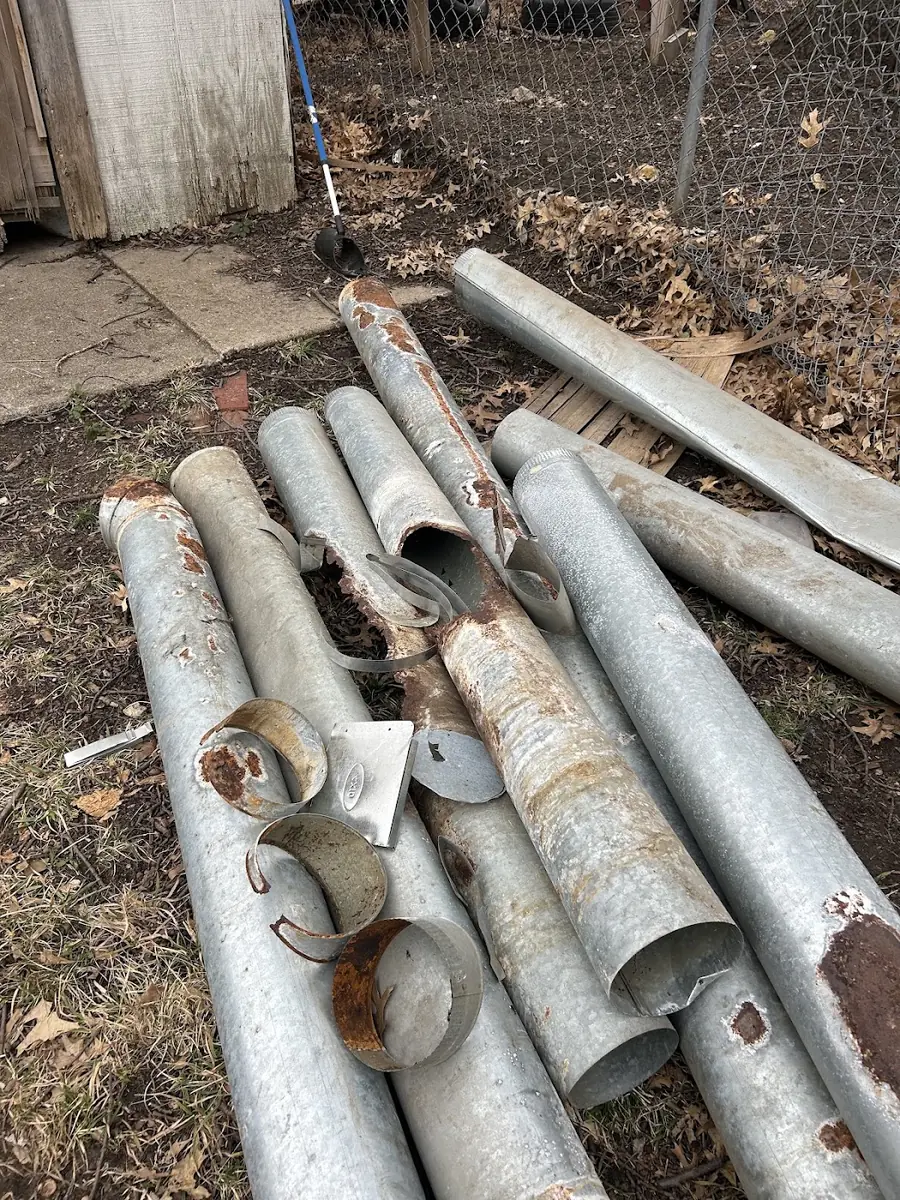
Replacement makes sense when ducts are crushed, pulled apart in multiple places, damaged by moisture or pests, or undersized for the rooms they serve. A new run needs to be the right size for the equipment and the rooms, because ducts that are too small restrict airflow and make the blower work harder.
Replacement often goes smoothly during an addition or a remodel because the walls and ceilings are already open. It can also be done in an existing home. We price each job after we see the home, and you get a written estimate before any install work starts.
Ask about the installation steps when you get your estimate. A clear answer on how the work will proceed is a good sign in any contractor.
Duct lifespan varies with the material, the installation and the conditions the ducts live in.
Ductwork for additions and finished basements
When you add a room, finish a basement or open up a floor plan, the heating and cooling system has to serve more space or a different layout. The existing equipment may or may not have the capacity to handle the extra load. A technician can look at the equipment and the new space and tell you what makes sense.
Depending on the project, the answer might be extending the existing ducts, upgrading equipment or adding capacity another way. We do new construction and remodel work, and we can talk through the options for your project.
How ductwork affects energy use
If ducts leak into an unconditioned space such as a crawl space or attic, some of the air you paid to heat or cool never reaches a room. Leaks can increase energy use. Insulation reduces the heat lost or gained through duct walls.
If your bills have climbed and the equipment has not changed, ductwork is one of several things worth checking. Ask a technician for an inspection.
Photos from our jobs